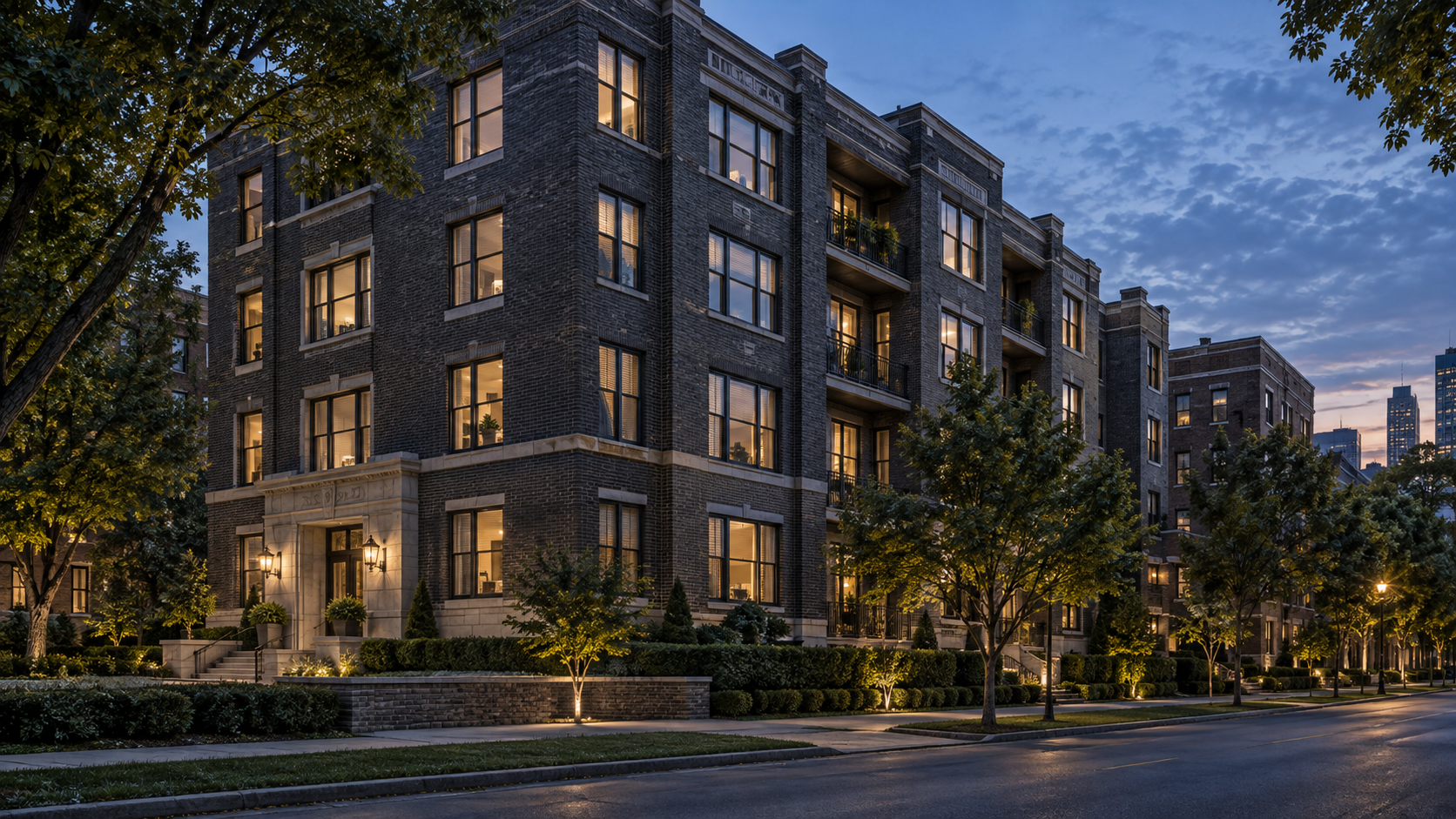
Two apartment buildings can look almost identical in a brochure. One puts residents close to work, everyday shopping, and a waterfront they enjoy. The other needs several hoped-for developments to make the neighborhood as convenient. If you are considering a long-term investment, that difference deserves more attention than matching countertops or lobby finishes.
Location scarcity can matter to long-term ownership. A particular view, established street network, or limited supply of comparable sites may be difficult to reproduce. The danger is turning that observation into a blanket claim that an expensive address is safe at any price.
When we consider a property for long-term ownership, we want to know why people would keep choosing it. A location that is difficult to reproduce can be part of the answer. We also need a sensible purchase price and enough room in the budget to look after the building. Those details matter when the goal is to hold wealth and generate income over time.
What about this location is hard to replace?
Saying that no more land can be created does not explain why this parcel should perform well. The relevant scarcity might be access to a particular employment center, a useful combination of services, a physical feature, or a limited set of feasible competing sites. Each claim needs to be stated precisely.
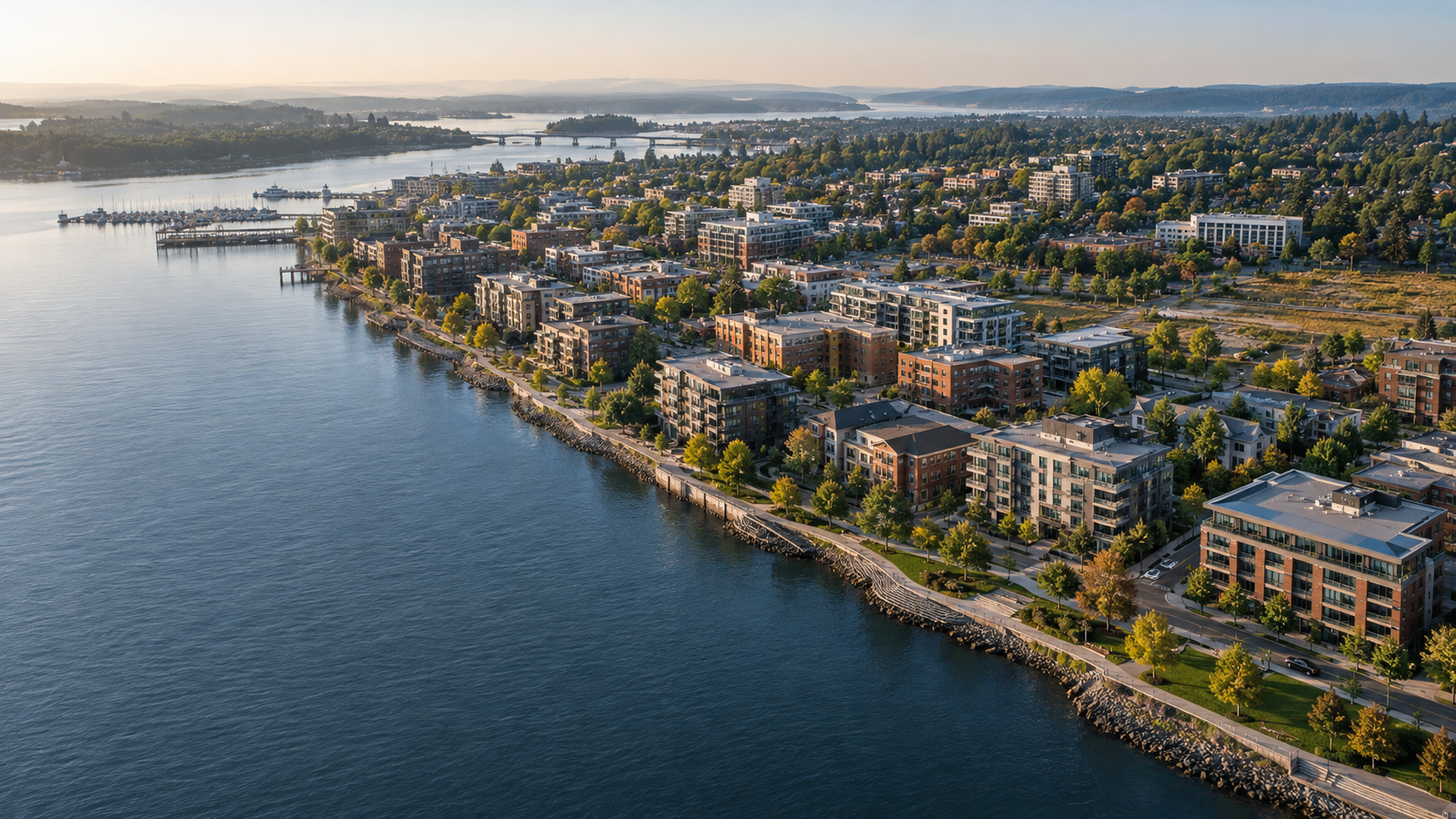
For a hypothetical waterfront apartment property, identify what residents actually value. Is it a direct view, access to a public path, proximity to work, or simply the neighborhood's reputation? Those qualities can command different responses, and some may be available at competing properties without direct waterfront frontage.
Distinguish physical scarcity from regulatory or practical constraints. A district may have little vacant land while still allowing redevelopment. A site may look buildable but face costly access or infrastructure requirements. The investment review should identify the constraint rather than use scarcity as a general adjective.
Will people pay to live here?
A desirable place is not automatically a successful rental product. The proposed rent needs a resident base that values the location enough to pay it, and the product must fit that resident's needs. Attractive surroundings do not correct an inconvenient layout or unreliable operations.
Look for evidence in actual leasing behavior, competing offers, turnover, and the practical reasons residents choose the area. Do not confuse interest in a neighborhood with demand at any asking price. A visitor can admire a view without being able or willing to fund the rent assumed in an investment model.
The same discipline applies to employment access. A location near a large employer may be useful, but dependence on a narrow employment base can create concentration. Ask what would support demand if the employer's footprint or work arrangements changed. The point is to understand the dependency, not predict an event without evidence.
A good address can still be a poor purchase
The price paid determines how much favorable performance is already required. A property with genuine advantages can produce a disappointing investment if the acquisition price assumes those advantages will become more valuable indefinitely. Scarcity can be real and already fully reflected in the price.
In a hypothetical review, separate the property's durable qualities from the assumptions used to justify the transaction. How much rent growth is necessary? What ongoing capital work is required? Does the result depend on a future buyer accepting a higher valuation relative to income than today's buyer does?
This is where the operating plan and financing re-enter the discussion. An investor who expects to hold through changing conditions still needs enough resources to do so. A scarce site does not pay debt service on its own. Read how debt structure can undermine a good property for that side of the analysis.
Waterfront scarcity comes with its own diligence
Waterfront is a physical characteristic, not a risk rating. Flood exposure, drainage, access, maintenance, insurance, and the resilience of nearby infrastructure may matter. The combination varies by site and deserves professional review rather than reassurance based on the building's appearance.
The FEMA Flood Map Service Center provides official flood-hazard mapping and related information. It is a useful starting point, not a complete property-risk analysis or a promise about future losses. Site conditions, available coverage, exclusions, deductibles, and lender requirements still need attention.
For the hypothetical property, obtain the information necessary to examine the actual exposure and cost. A statement that the asset is in a desirable neighborhood does not answer an insurance question. Equally, one broad risk label should not replace a site-specific assessment. The investment case needs both the appeal and the obligations of the location.
Consider substitutes beyond the immediate neighborhood
A resident may be unable to find another identical address and still choose a different housing solution. A nearby district may improve. A different layout may provide more useful space. A change in work or transportation patterns may alter the relative value of proximity.
Construction and product innovation can influence that comparison. HUD's offsite-construction research is one reason to examine how housing delivery might evolve, but it does not establish that future buildings will be cheaper everywhere. The investor's task is to ask which alternatives could become relevant to the property being evaluated.
Keep the building and location questions connected. If the location remains attractive but the building falls behind resident needs, what adaptation is feasible? Some improvements may be straightforward. Others may be constrained by structure, access, utilities, or cost. The long-term plan should account for those practical limits.
A Class A label does not do the homework for you
Descriptions such as Class A, B, or C can summarize how a property is positioned in a market, but they do not answer the underwriting questions. A higher-end property can be overvalued or poorly financed. An older property can meet a useful need at an appropriate basis and still require careful operating work.
Rather than assume one label guarantees preservation and another guarantees deterioration, examine the asset. Who chooses it? What alternatives do they have? What needs to be spent to maintain it? What could make the current plan unaffordable for residents or owners?
BlackGuard's preference for selected long-term holdings is about the investment case, not a claim that a category is immune to loss. Durable location qualities can be important, but they need to be supported by pricing, operations, and financing. Each part should withstand questions on its own.
What would make you reconsider the purchase?
A useful ownership plan identifies evidence that could change the decision. That might include persistent leasing weakness, a meaningful shift in local demand, material operating-cost changes, or new alternatives that serve residents better. It could also include improvements that make the existing asset more compelling.
Long-term conviction should allow those facts to be discussed. Continuing to own a property is a decision made with current information, not merely loyalty to the original acquisition story. A location may be difficult to reproduce. The responsibility to keep testing the investment remains. Our article on long-term ownership takes that discussion into the operating plan.